
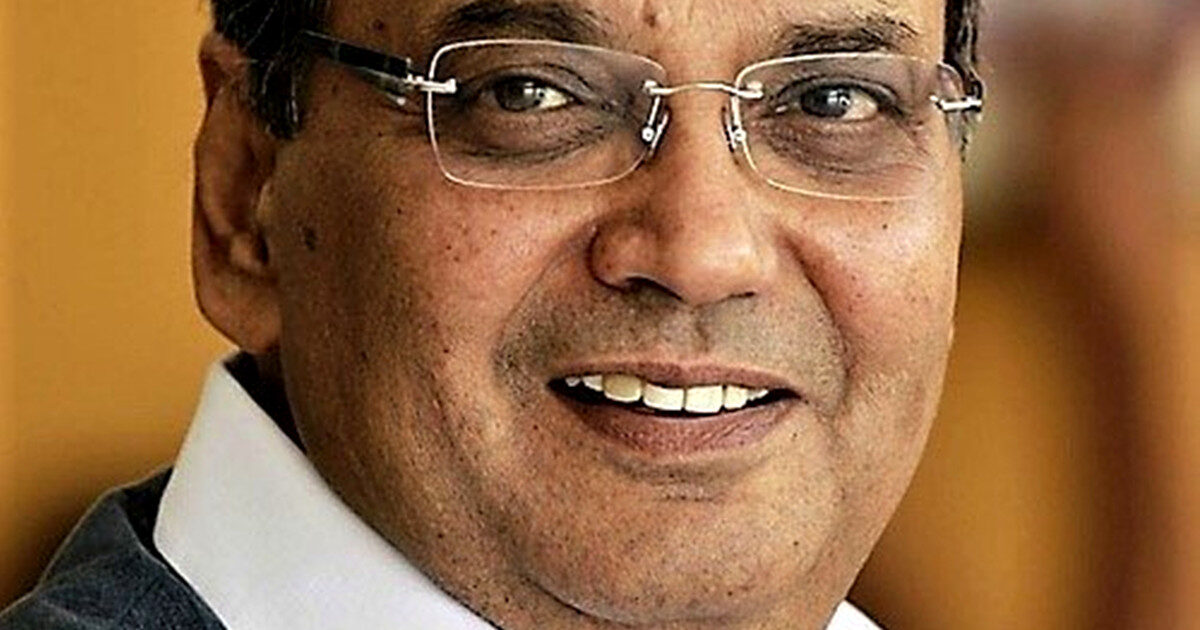
The filmmaker behind Hero, Khalnayak, Pardes and Taal has watched Hindi film deals change from handshakes over a script to negotiations over a brand. Having directed Anil Kapoor, Madhuri Dixit, Shah Rukh Khan and Aishwarya Rai, Subhash Ghai has seen both the old star system and its modern equivalent. In an interview with Screen, he argued that the current generation puts earnings ahead of craft.
What Ghai told Screen
Ghai said commerce has “taken over,” with young actors now wanting more money and showing less interest in the art. In his own working years, he recalled, actors wanted to be artistes first and believed the money would eventually come.
They would sign a film for the director, the story and the character, he said. Ghai told Screen that most stars in his movies took just “40 per cent of the price” because the character and story mattered more than the fee.
The deal memo has changed
His contrast with today is blunt. Ask a current actor to take 40 per cent, Ghai said, and “four of their managers” and “3 PRs” would step in to protect the celebrity. The industry, in his view, has moved from nurturing actors to managing brands.
He added that the alternate income streams available to stars now are “seasonal” by nature. The craze around an actor usually dies down after “3-4 years,” he said, and someone else walks into the frame.
What Ghai described:
- Then: sign for the director, story and character, and wait for money to follow.
- Now: push for higher fees and lean on non-film income that may not last.
Salman Khan’s counterpoint
The craft-versus-commerce debate also surfaced on Koffee with Karan Season 9. Karan Johar noted that 2026 delivered successful films with Akshay Kumar, Ajay Devgn, Shah Rukh Khan and Salman Khan. Salman responded that his generation is “interested in our work” and wants to step out and do good work, even if it sometimes goes right and sometimes does not.
He added that the films his generation makes are ones “every Hindustani would be comfortable to see with the whole family.”
Why it matters for fans
The economics Ghai describes shape which films get a green light, how a star’s fee sits within the production, and whether a strong script gets the face it needs. For audiences, that difference eventually shows up on screen in the kind of stories Hindi cinema chooses to tell.
For now, both sides can be true: Ghai’s nostalgia for a craft-first era, and Salman’s defence of a generation still trying to make cinema for the entire family.
Source: Hindustan Times