
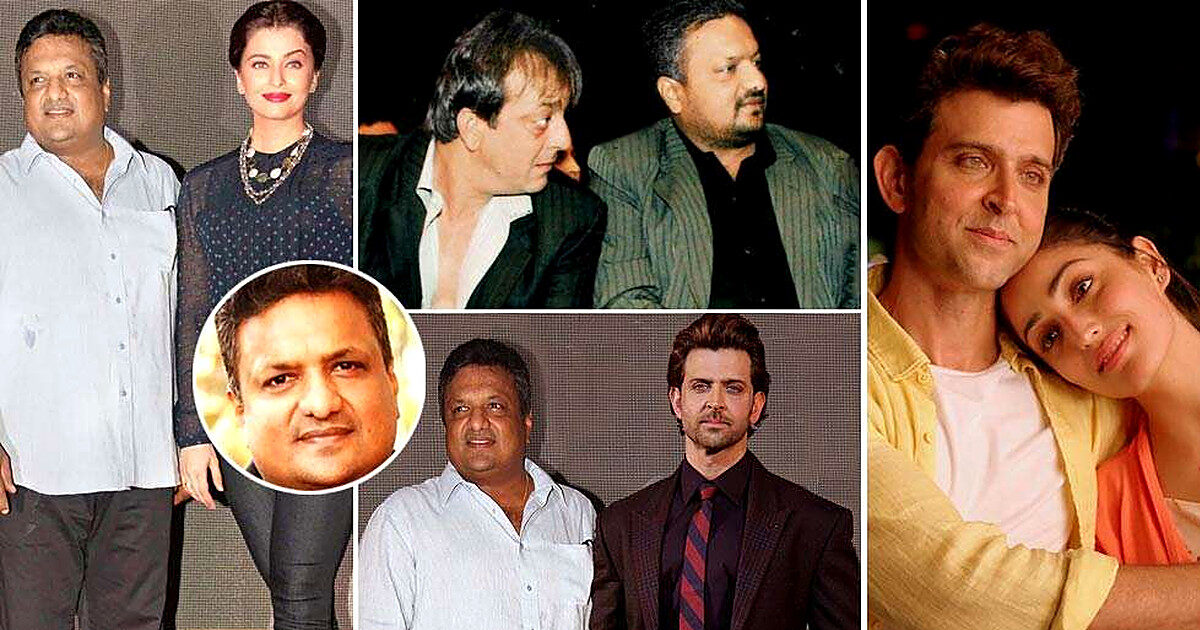
Sanjay Gupta, the filmmaker who gave Hindi cinema some of its most stylised crime dramas, died on October 30, 2026 after an accidental fall at his Mumbai residence. He was 57, according to several reports, though some accounts have cited a different age.
The news closes a distinctive chapter in Bollywood. Gupta treated the gangster film as a visual event, building dark, nocturnal worlds around swagger, music and ensembles. He began unusually early, working in post-production and sound at about 15, assisted Pankaj Parashar on Karamchand and Jalwa, and made his directorial debut with Aatish: Feel The Fire in 1994.
Kaante and the Hollywood conversation
Gupta’s defining film was Kaante (2002), an audacious multistarrer that put Amitabh Bachchan, Sanjay Dutt, Suniel Shetty, Mahesh Manjrekar, Lucky Ali and Kumar Gaurav into a bank-robbery story set in Los Angeles. Comparisons with Quentin Tarantino’s Reservoir Dogs followed. Gupta always said he was building a larger narrative from several international influences rather than remaking one film. Filmfare notes that Tarantino reportedly admired the effort, especially the backstories given to the characters.
Originality remained a debate through his career, but his visual identity did not. From the neon-lit Musafir (2004) to the claustrophobic Zinda (2006) and the gunfire-heavy Shootout at Wadala (2013), Gupta’s frames were dark, dramatic and unmistakably urban.
Ensembles and the Mumbai underworld
Gupta had a rare appetite for multistarrers, pairing actors such as Amitabh Bachchan with Sanjay Dutt, Anil Kapoor with Sanjay Dutt, and John Abraham with Manoj Bajpayee. His friendship with Sanjay Dutt led to White Feather Films in 2001, with Kaante as its defining production.
The Shootout films became his most enduring expression of Mumbai’s underworld. He produced Shootout at Lokhandwala (2007) and directed Shootout at Wadala, based on the killing of gangster Manya Surve. Mumbai Saga (2021) returned to the same territory, tracing the city’s transformation through organised crime.
He also stepped away from gangster stories: Jazbaa (2015) was a legal thriller with Aishwarya Rai Bachchan and Irrfan Khan, and Kaabil (2017) was an emotional revenge drama with Hrithik Roshan and Yami Gautam. In 2024 he moved to streaming with Visfot and explored football and family in The Miranda Brothers.
Where to start watching
- Kaante (2002) — the ensemble heist that defines his style.
- Shootout at Wadala (2013) — his Mumbai-underworld swagger at full force.
- Kaabil (2017) — proof he could balance stylised action with emotion.
- Visfot (2024) — his OTT debut and a late return to crime.
For fans of Hindi cinema, Gupta’s passing matters because he occupied a specific, often debated space: a filmmaker who borrowed freely but arranged everything with a confidence that made the material feel like an event. In his final interviews he was still looking ahead, curious about artificial intelligence and preparing for another project. That restless interest in cinema, even after decades, is part of what made him distinctive.
Source: Filmfare