
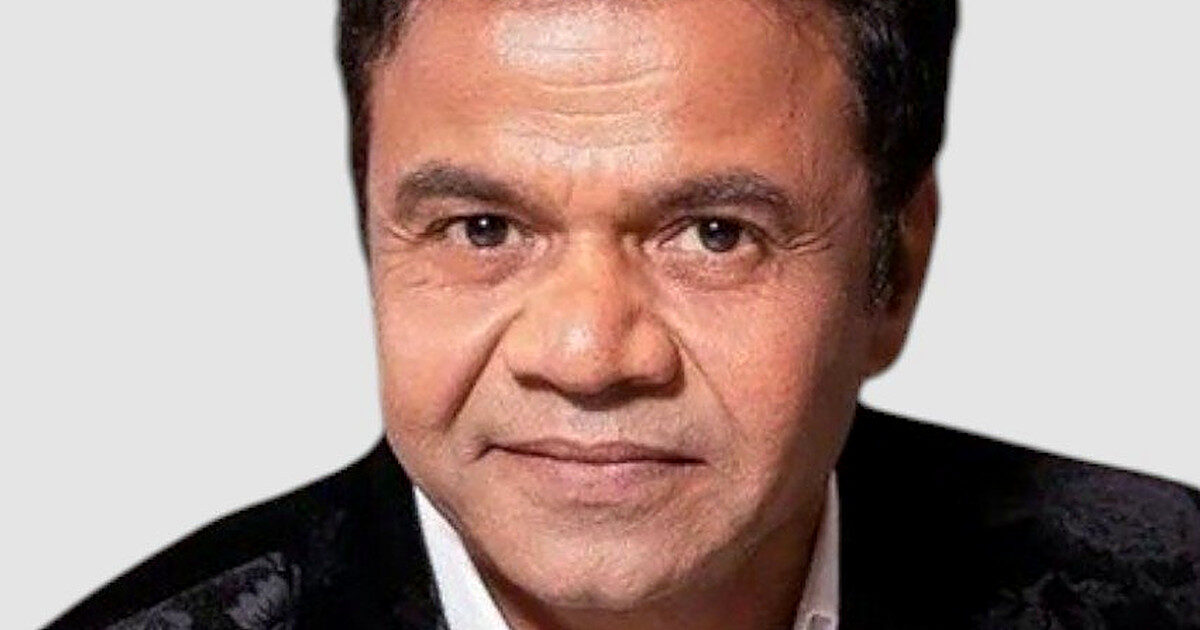
Actor Rajpal Yadav will present his side in mediation in the cheque bounce case that has followed him for more than a decade. He thanked the Supreme Court after it allowed him to be heard, telling ANI that he had waited 14 years for the chance to put his case forward.
The actor called the dispute “the most interesting case in Indian history” and said he would follow the Supreme Court’s order “at any cost.” It was a striking choice of words for a cheque-bounce matter, but the numbers explain why: the amount owed has swollen far beyond the original loan.
From a ₹5 crore loan to a ₹22 crore claim
The case begins with a loan of about ₹5 crore that Yadav allegedly took from M/s Murli Projects Pvt Ltd in 2010 for his film Ata Pata Laapata. Seven repayment cheques of ₹1.05 crore each were later dishonoured, which triggered the cheque-bounce proceedings. With interest and other charges added over the years, the unpaid amount has grown; Yadav himself put the current figure at ₹22 crore.
“The issue is ₹22 crore—₹5 crore killed ₹22 crore,” Yadav told ANI.
He rejected the allegation of fraud and argued that the existence of multiple agreements left no room for cheating.
What the Supreme Court has ordered so far
- The court directed Yadav to deposit ₹2 crore towards the amount due by October 13.
- He showed a demand draft of ₹1.15 crore in court; a property buyer present was to pay the remaining ₹85 lakh.
- On October 5, the court criticised him for failing to comply with the earlier deposit direction.
- On September 15, he was given a final two-week opportunity to deposit the amount and submit a repayment plan.
Chief Justice of India Surya Kant and Justices Joymalya Bagchi and V Mohana are hearing the matter.
Why this matters for fans
Rajpal Yadav is one of Hindi cinema’s most loved comic actors, so a legal dispute at this scale inevitably draws attention. Cheque-bounce proceedings begin when a repayment cheque is dishonoured by a bank, and here seven such cheques were at the centre of the dispute. Yadav was careful to frame the case as a business dispute, not private gossip, telling ANI: “I act in reels and I live in reality.”
The court’s patience has also been tested. A stern warning, a final two-week opportunity, and then criticism on October 5 for not complying with the deposit order signal that the bench is treating this as a financial dispute rather than a celebrity matter. Yadav dismissed the suggestion of drama, saying that if there is any drama, it comes from the other side.
That framing may play well with fans, but the real test is whether mediation produces a timetable both parties will honour. For now, the story is not a verdict but a lesson in how long an unresolved loan dispute can grow: 14 years, successive court orders, and a claim that has multiplied from ₹5 crore to ₹22 crore.
Source: Hindustan Times