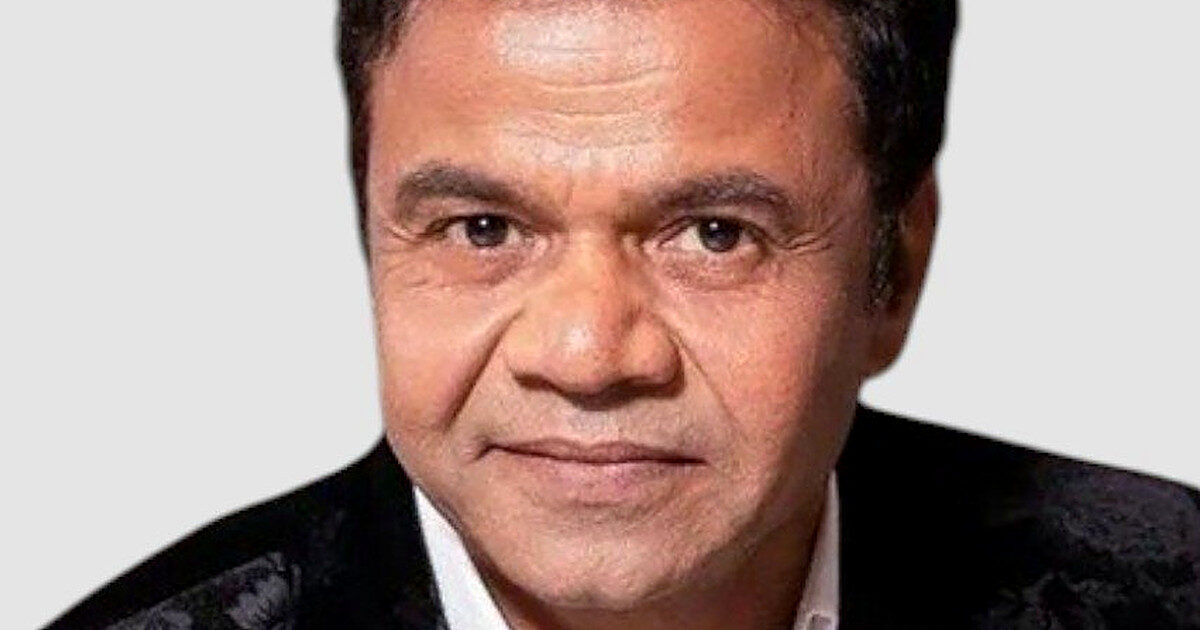
Rajpal Yadav appeared in person in the Supreme Court on Wednesday with a demand draft of ₹1.15 crore, after the court had warned him over his conduct in a cheque-bounce case linked to his film Ata Pata Laapata.
A bench led by Chief Justice of India Surya Kant, with Justices Joymalya Bagchi and V Mohana, directed the actor to deposit ₹2 crore towards the amount due to the complainant by October 13. The court said it would consider his plea against a Delhi High Court conviction—and a three-month sentence—only after the payment is made.
The immediate numbers
- ₹2 crore: total the court wants deposited by October 13.
- ₹1.15 crore: demand draft shown in court on Wednesday.
- ₹85 lakh: remaining amount a property buyer present in court is to pay.
- Around ₹5 crore: original loan at the centre of the dispute.
Yadav’s counsel told the bench that the registry did not permit an RTGS transfer, so the actor brought the demand draft instead. The buyer who is to pay the remaining ₹85 lakh was also present.
Where the case began
The dispute goes back to a loan of around ₹5 crore allegedly taken from M/s Murli Projects Pvt Ltd in 2010 for Ata Pata Laapata. Seven repayment cheques of ₹1.05 crore each were later dishonoured, which triggered the cheque-bounce proceedings. The unpaid amount grew over the years with interest and other charges.
The Delhi High Court convicted Yadav and imposed a three-month sentence for failing to make good the payments. The Supreme Court has now made the deposit a condition before it will examine his appeal.
One courtroom line, one clear warning
After passing the order, the bench had an informal exchange with the actor. Yadav told the court that around ₹200-250 crore had been lost on the film and that the producers had also suffered. The CJI then used the title for a pointed joke: “Like your movie, your money is also Ata Pata Laapata, gayab (missing).”
The court was not only joking. “Law should not be utilised like this,” the bench said. Justice Bagchi asked whether Yadav had suffered imprisonment and indicated that the court could consider enhancement of his sentence. The CJI also advised him to make a good film and entertain people, adding in jest that advocates appearing before the Supreme Court were good actors and could be cast in his films.
What happens next
The previous hearing on October 5 had made the court’s patience clear, after an earlier September 15 deadline gave Yadav a final two-week window. Now the practical milestone is October 13. If the full ₹2 crore is deposited, the Supreme Court will consider his plea against the High Court conviction. If it is not, the actor risks a more severe outcome—something the bench signalled during Wednesday’s hearing.
For fans of Hindi cinema, the case is a reminder that film-financing disputes can follow an actor for years, long after a title has left the screen.
Source: Hindustan Times