
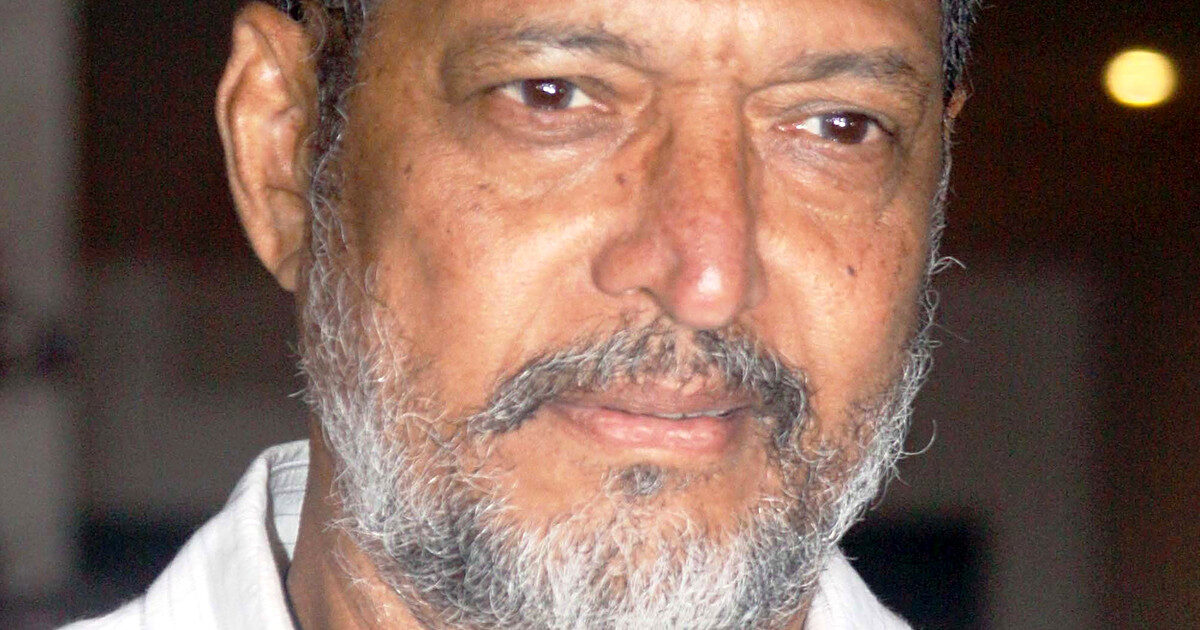
The Hindi film industry is in mourning after the death of Nana Patekar, an actor whose face and voice carried a weight few of his contemporaries could match. Patekar, 75, died in the early hours of Thursday, October 8, after a severe cardiac arrest at his residence in Dona Paula, Goa. He was taken to Manipal Hospital and declared dead at approximately 5:20 am IST. His son, Malhar Patekar, confirmed the loss.
The Padma Shri recipient’s passing has drawn tributes from across the fraternity. Among the most resonant came from Ajay Devgn, who shared the screen with him in Prakash Jha’s crime drama Apaharan and posted a photograph from the film on social media.
A tribute that names the loss
Devgn’s note skipped the usual formalities and went straight to what made Patekar singular. He wrote that very few performers could make audiences happy, sad and angry the way Nana did.
“His presence was powerful, his performances unforgettable, and his absence will now be deeply felt. Rest well, Nana…Om Shanti.”
That framing — laughter, grief and fury in the same career — is why Patekar’s death is being felt as more than the passing of a veteran star. His work gave Hindi cinema some of its most volcanic moments and some of its most quietly funny ones, often in the same decade. Few actors could switch those registers without losing credibility.
Why this loss cuts deep
Patekar was that rare performer whose presence changed the temperature of a scene before he spoke. In Apaharan, Devgn played Ajay Shastri and Patekar played Tabrez Alam, and the two actors’ contrasting styles sharpened each other in nearly every frame they shared.
For a generation of fans, the grief is personal. He was the actor you went to for anger, for laughter, for the uncomfortable silences nobody else could hold. The tributes arriving from colleagues and contemporaries keep returning to that point: a distinct screen presence that simply cannot be replaced.
What happens next
The family has scheduled the final rites at Patekar’s farmhouse in Donje, on the outskirts of Pune. The Maharashtra government has announced a state funeral with full state honours, and his mortal remains are being moved from Goa to Pune so that family, friends and members of the film fraternity can pay their final respects. State honours matter here: they signal a government’s recognition of an artist’s contribution to public life.
- Last rites at the Donje farmhouse, on the outskirts of Pune
- State funeral with full state honours announced by Maharashtra
- Mortal remains being transferred from Goa to Pune for final respects
For fans, the practical tribute is simple: return to Apaharan and to the roles that made him unforgettable. The performances are still there. That, in the end, is what Devgn’s note says too.
Source: Bollywood Hungama