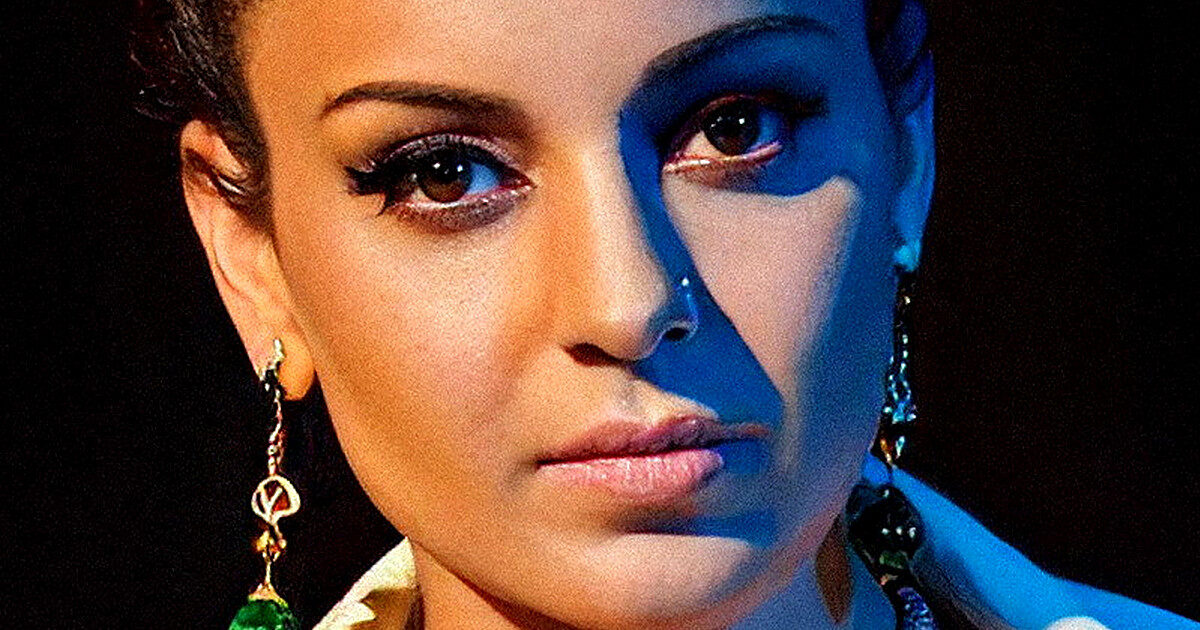
Kangana Ranaut has asked the Delhi High Court to order the removal of AI-generated obscene content about her from the internet. The actor and BJP MP from Mandi filed the plea on Thursday, arguing that the material is defamatory, infringes her personality rights, and falsely puts words in her mouth.
What Kangana is asking for
Her lawyers told the court that the objectionable content includes sexual and pornographic material, fake news, and AI-created clips or posts that misattribute statements to her. The legal team clarified that the request is not a broad attack on every unflattering post. The case is specifically about obscene and allegedly fake material, not about satire or memes.
Justice Vikas Mahajan issued summons to the defendants in the lawsuit. The court also indicated that it would pass an interim order in the matter, according to a PTI report carried by Hindustan Times.
Why the meme distinction matters
By leaving memes and satirical content out of the current request, the case keeps its focus on the most harmful category of AI misuse: synthetic sexual content, impersonation and fake statements. That is a meaningful line for Bollywood fans, because much of the everyday content around stars, edits, jokes and reaction clips, is not the target here.
Personality rights are becoming a Bollywood battleground
Kangana is not alone. The Delhi High Court has become the venue of choice for celebrities trying to protect their name, image, voice and likeness from AI abuse. Recent petitioners include:
- Actors Aishwarya Rai Bachchan and Abhishek Bachchan
- Salman Khan
- Pawan Kalyan, actor and Andhra Pradesh deputy chief minister
- Art of Living founder Sri Sri Ravi Shankar
- Podcaster Raj Shamani and cricketer Abhishek Sharma
The court granted all of them interim relief in their respective pleas.
In the same hearing, the court issued summons in a separate personality rights suit by Telugu actor Vijay Deverakonda. His lawyers cited alleged unauthorised commercial exploitation, including merchandise bearing his persona, AI-generated social posts, impersonation and false endorsements.
What this means for fans and creators
These cases turn on a simple question: who controls a celebrity’s identity when AI can recreate it in seconds? For audiences, the immediate lesson is to be suspicious of clips or screenshots that show a star doing or saying something outrageous without a credible source. A court order could eventually set clearer boundaries for platforms, fan editors and advertisers who use celebrity likeness without permission.
For now, the safest fan behaviour is to avoid sharing unverified viral clips and to report synthetic sexual content when you see it. This case is a reminder that the most outrageous celebrity clip in your feed may never have happened.
The interim order, when passed, will be the next signal. If the court restrains the content, it will add to a growing body of Indian jurisprudence that treats digital impersonation as a legal injury, not just a nuisance. The exact scope of any order remains to be seen.
Source: Hindustan Times