
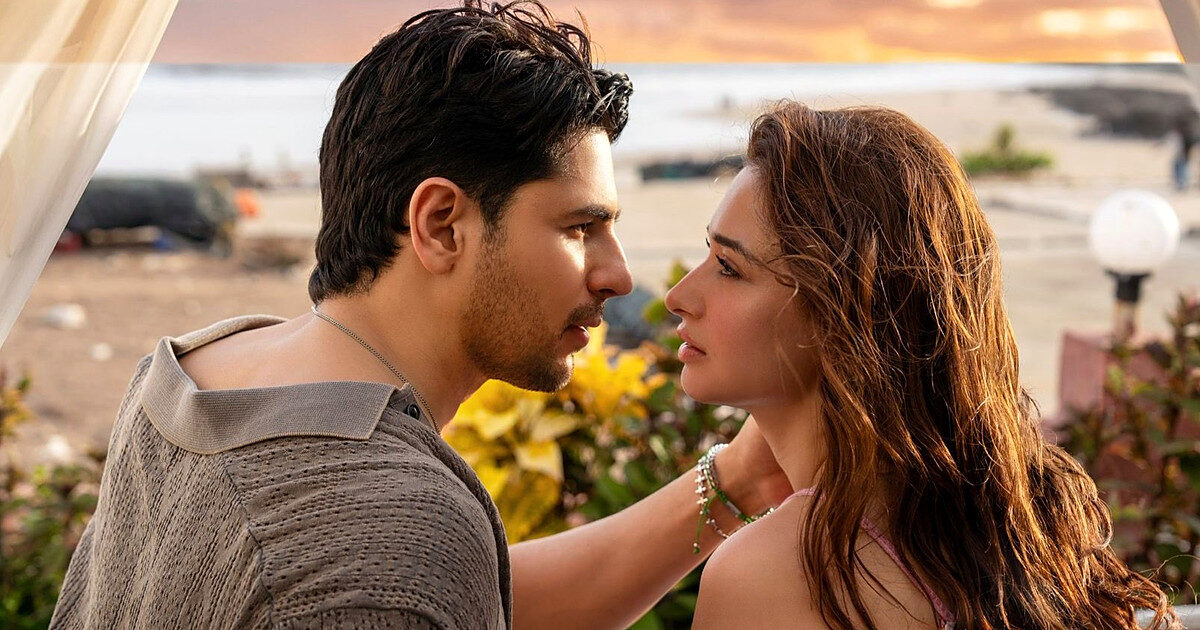
The setup
In The VVAAN, this number is the devotional hinge. Sidharth Malhotra and Tamannaah arrive at the water as seekers, not stars, and the stake is whether the offering will hold them. I love that the film has built enough tension for the prayer to feel earned, not inserted.
The turn
The scene changes gear when the song stops being a private supplication and becomes a communal ritual. The first verse stays close and small; then the percussion lands, the light shifts from blue hour to warm flame, and the frame opens to reveal the ghat filled with worshippers. For me, the turn is not a plot twist—it is a scale change.
The line
People quote the way Vishal Mishra stretches “Maiya” across the downbeat. It is the simplest word in the song, but he leans on the vowel until it becomes a call. I think that is why it lands: the title is the entire hook, and the pause before the chorus gives it lift.
The performance
Sidharth keeps his prayer physical—folded hands, slow blink, no hero smirk. Tamannaah does less: a small smile, a lowered gaze, wrists turning upward in the offering. A lesser scene would have them perform the song; here they receive it, and I notice the difference immediately.
The craft
Staging is the first star: diyas are set in repeating rows on the ghat steps, so the geometry reads instantly. The camera makes one specific choice—a slow push toward Tamannaah’s raised hands, then a wide that keeps the waterline as a horizon. The cut lands on the dholak’s first slap, so the edit feels like part of the rhythm. On the soundtrack, the water’s lap stays under the verse and drops away as the chorus enters, leaving only the voice and the beat.
Why it travels
This is the scene I send people on Chhath morning because it works as a prayer first and a film clip second. The hook is hummable, the image is clean enough for a phone screen, and the actors disappear into the devotion. At 54 million views, the song has become its own festival clip rather than just a film song.
Watch the original: Zee Music Company on YouTube. Shown for review and comment; the rights stay with the makers.