
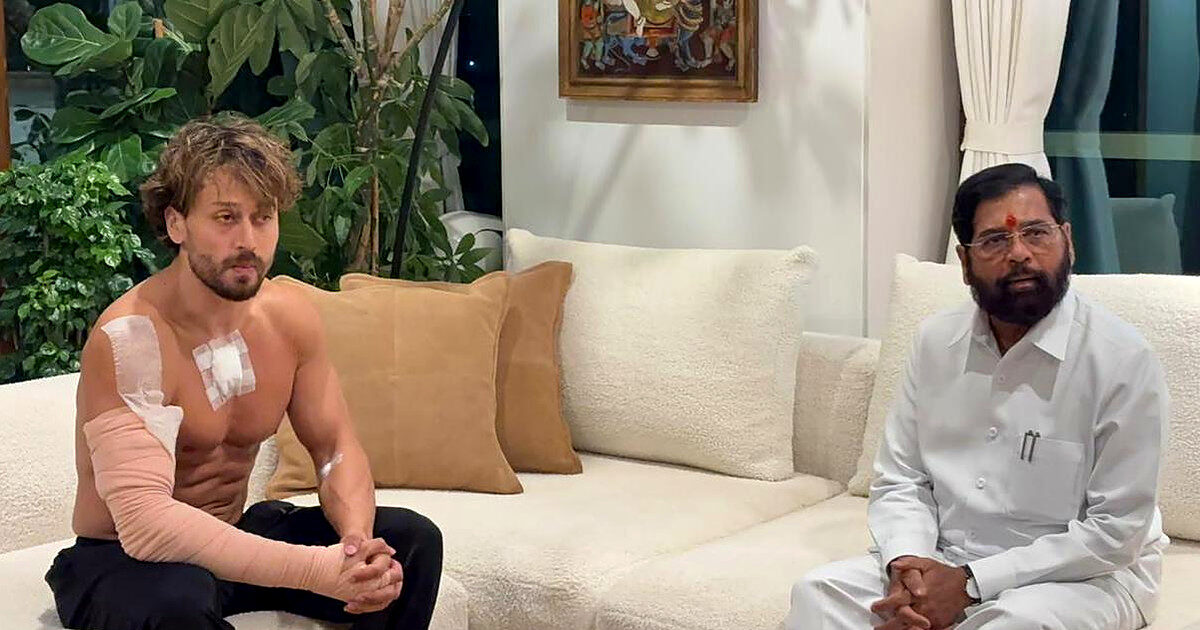
Tiger Shroff came under fire in Mumbai’s Juhu on the evening of Sunday, October 18, 2026, when two men opened fire at his car as he was leaving work. The actor escaped unhurt. His driver, Firdaus, was injured on the left hand, and a bystander, Mr. Chauhan, was also hurt and taken to a local hospital.
According to PTI, one of the assailants was in touch with the Lawrence Bishnoi gang. That detail makes this more than a random scare: it places the attack in a long, documented line of gang-related violence and extortion aimed at Mumbai’s entertainment world.
Not the first time
Bollywood has seen this before. The attacks range from attempted hits to a murder that changed the music business:
- 1997 — Gulshan Kumar: The T-Series founder was shot dead near a Mumbai temple. Reports said he was struck by 16 bullets at close range. Courts later upheld a life sentence for one of those convicted; prosecutors said the murder followed his refusal to pay Rs 10 crore in protection money.
- 2000 — Rakesh Roshan: The filmmaker was shot and injured in Santacruz about a week after Kaho Naa… Pyaar Hai, which launched Hrithik Roshan, opened in cinemas.
- 2024 — Salman Khan: Two attackers on a motorbike fired four rounds outside Galaxy Apartments in Bandra around 5 a.m. Police made multiple arrests in the case.
- 2025 — Kapil Sharma’s cafe: Kap’s Cafe in London’s Surrey was shot at in three separate incidents between July and October, starting within a week of its opening.
- February 2026 — Rohit Shetty: At least five rounds were fired at a Juhu building where the director lives, with one bullet hitting a gym window; a social media post claimed the Bishnoi gang was behind it.
The Gulshan Kumar case shows how these crimes often work. The extortion demand came first, the refusal followed, and then the attack. That history is why a fresh gang link draws immediate attention.
What the authorities are saying
Maharashtra Deputy Chief Minister Eknath Shinde called the Tiger Shroff incident unfortunate. “We will not spare anyone trying to threaten our film industry,” he told The Hindu. He added that Mumbai had lived through the gang-war era of the 1990s, that Mumbai Police had stopped it, and that such gangs would not be tolerated now.
This is not a paparazzi story. It is an industry story about risk, extortion and security. The Hindi film business has long balanced open access for fans with the safety of its stars, and each attack forces that balance to be recalculated.
For fans, the practical takeaway is to follow police updates and court records rather than social media claims. In past cases, posts have named gang figures within hours; the slower legal process is where the truth actually lands.
The next few days will reveal whether this becomes a one-off investigation or part of a wider pressure campaign against film personalities. A charge sheet, a named shooter or a confirmed extortion demand would move the story from an attack to a pattern. Until then, the industry is likely to keep asking the same uncomfortable question: why are its most visible names still so exposed?
Source: The Hindu