
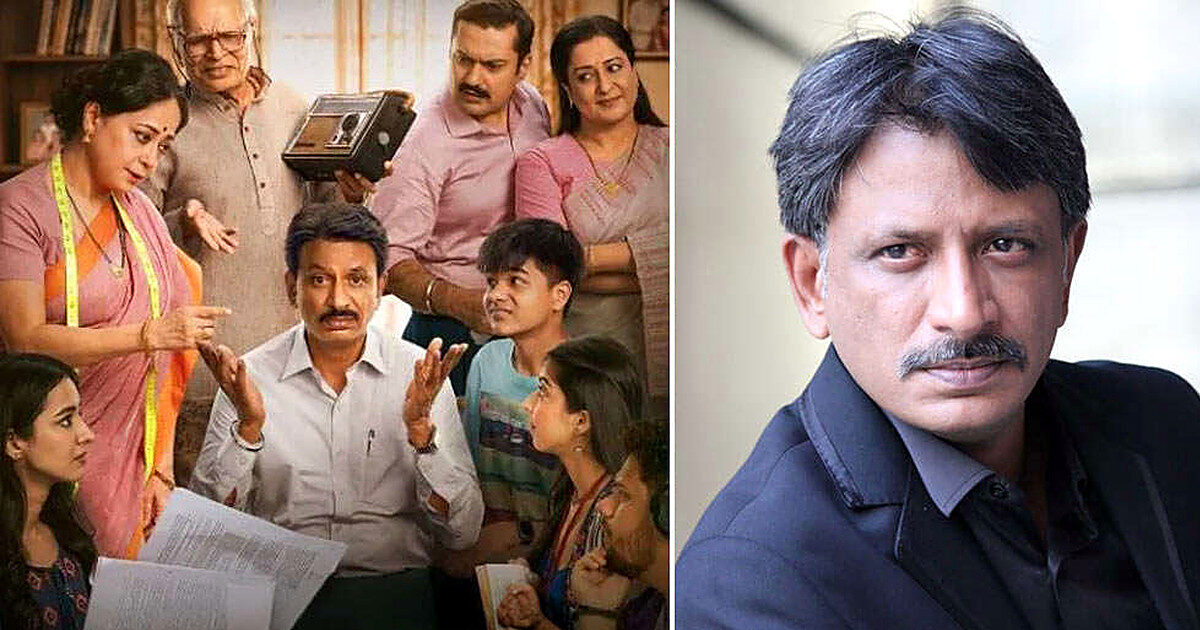
In Bakaiti 2, now streaming on ZEE5, Rajesh Tailang returns as Sanjay Kataria, a middle-class father whose humour and conflicts come from the everyday push and pull of family life. In a new conversation with Filmfare, the actor opens up about what makes the Katarias relatable, how fatherhood is being rewritten on screen, and why streaming now leaves room for ordinary households alongside crime thrillers.
Sanjay’s arc: vulnerability as strength
Tailang describes Sanjay as a patriarch who keeps his vulnerabilities hidden because he feels showing them might diminish him. This season, that begins to change: Sanjay realises that expressing emotion is not a weakness but can actually be a strength. “Personally, I don’t think that way. I’m quite comfortable being vulnerable at home,” he says.
He also draws a line between himself and the character. “I’m more of a friend to my child than Sanjay is to his.” Tailang believes fatherhood changes with every generation, and says he is passing on the friendship he received from his own father.
A 10-year screen partnership
The series also continues Tailang’s working relationship with Sheeba Chaddha, a partnership that goes back almost ten years. They have played husband and wife in three different series. He says the shorthand helps, but the real excitement is unpredictability: with a strong actor, a scene can still surprise you.
OTT’s family shift
Tailang argues that early streaming was dominated by over-the-top shows, violent dramas and crime thrillers, often watched alone. With wider internet access and smart TVs in more homes, that has changed. OTT has become a family viewing experience, and shows like Bakaiti have found space because people can watch them together.
Looking back at an industry he has seen up close since Shanti – Ek Ghar Ki Kahani (1994), he lists some of the biggest changes:
- Celluloid film made retakes expensive, so shots were planned carefully; digital allows more angles and repeats.
- Shooting shifts have stretched from around eight hours to twelve hours.
- More corporate systems mean better scheduling, payments and professional sets.
- Women’s participation in the filmmaking process has increased significantly.
Mirzapur and what’s next
Tailang also reflects on Mirzapur: The Movie, the first time an Indian series has been adapted into a film in this way. He remembers the nervousness: audiences already knew the world, but the team’s answer was to stay honest to the characters. Up next for him are Carnaame – Badla Gear Palti Kismat and Paan Parda Zarda.
For viewers, Bakaiti 2 is the kind of title that fits a living-room watch rather than a solo binge. If the show’s middle-class rhythms land, it is because the conflicts feel borrowed from your own neighbourhood.
Source: Filmfare