
Two books, one restless legend
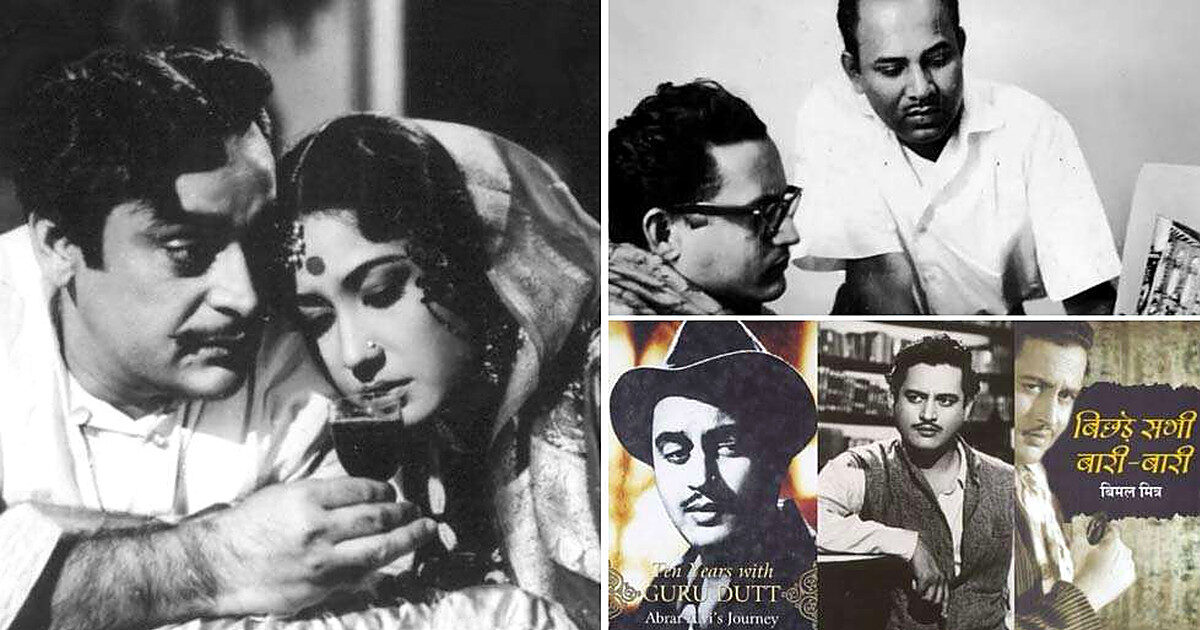
On Guru Dutt’s death anniversary, two very different books invite fans to look beyond the poster image. Sathya Saran’s Ten Years with Guru Dutt is built around the memories of Abrar Alvi, the writer and director who worked closely with Dutt. Bimal Mitra’s Bichhade Sabhi Bari Bari is a Hindi translation of his Bengali novel Binidra, and reads as an outsider’s memoir of a flawed genius.
Neither book is a simple tribute. Together they ask what happened behind the films we still quote and rewatch.
An insider’s grievances
Saran’s book gives Alvi plenty of room. Alvi wrote or shaped some of Dutt’s most economical dialogue, including work on Mr and Mrs 55, Pyaasa, Kaagaz Ke Phool and Chaudhvin Ka Chand. Yet he remains best known for Sahib Bibi Aur Ghulam, a film he directed but which many still believe Dutt ghost-directed.
The book records Alvi’s bitterness on that point, including his version that Dutt himself confirmed Alvi’s heavy lifting. It also notes that Dutt directed the songs and a few scenes with Waheeda Rehman, while Alvi handled the bulk. That history partly explains why the “dummy director” shadow never left him.
Alvi also recalls the strained marriage between Dutt and Geeta Dutt, and says Dutt cut ties with Waheeda Rehman around 1961. Saran’s journalistic tone keeps these recollections grounded rather than sensational.
An outsider’s tenderness
Mitra had no film connection when he was charmed by Dutt and flew to Bombay to work on Sahib Bibi Aur Ghulam. His book is unsparing about Dutt’s insomnia, dependence on alcohol and sleeping tablets, and crumbling marriage, but it is also full of empathy for Geeta Dutt and for Waheeda Rehman.
Mitra remembers the Pali Hill bungalow, the domestic life that later fell apart, and Dutt’s curiosity about farming, cooking and even watching chickens incubate. The detail is small, but it gives readers a person rather than a monochrome tragic hero.
One revealing moment comes after the Sahib Bibi Aur Ghulam premiere, when K. Asif reportedly suggested a happy ending after soft early trade numbers. Dutt considered a reshoot, then stuck to the original ending. That choice feels like the director’s stubbornness and his instinct fighting each other.
What to take away
The two books can be read as two angles on the same man:
- Inside view: Alvi is sharp, affectionate and still sore about credit.
- Outside view: Mitra is adoring, moralistic and detailed about Dutt’s decline.
- Common ground: The art outlasted the chaos, and the films remain essential.
For fans, the next step is simple: watch Sahib Bibi Aur Ghulam or Pyaasa again after reading either book. The films do not become smaller when you know the messy reality behind them; they become more human.
Guru Dutt died on October 10 at 39, leaving unfinished films and a body of work that still defines Hindi cinema’s poetic and melancholy streak. These books do not solve him. They make the legend a little more real.
Source: Filmfare