
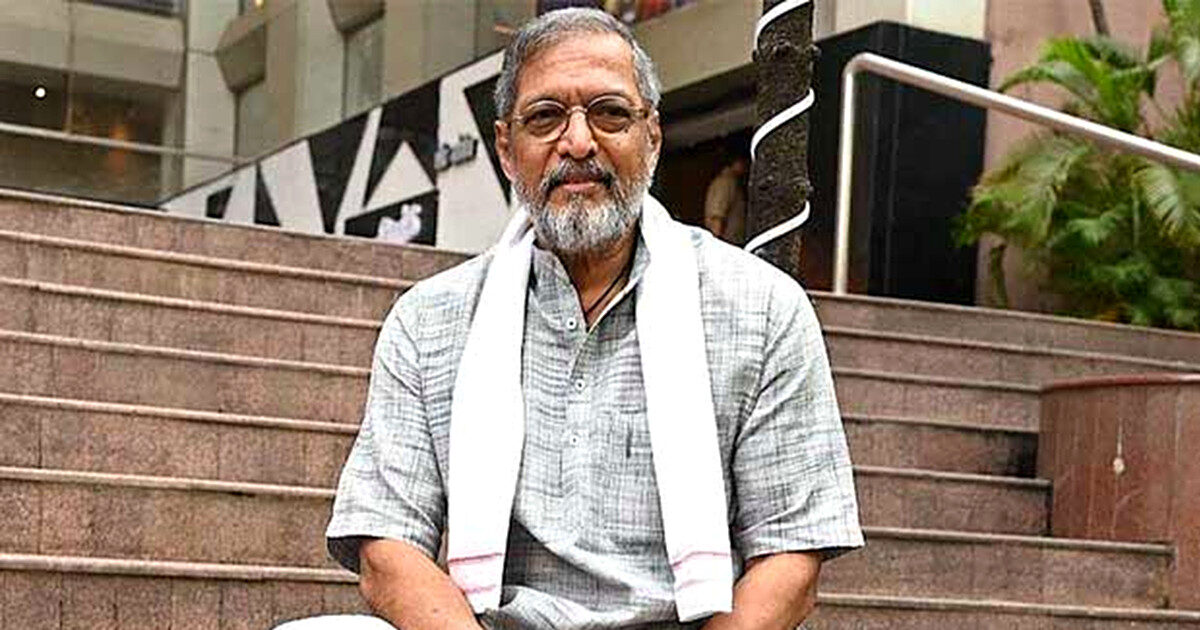
Nana Patekar’s final journey ended with a rare public honour. The 75-year-old actor was cremated on Thursday at his farmhouse in Donje, Pune, with full state honours announced by Maharashtra Chief Minister Devendra Fadnavis. The decision recognised a career that moved audiences across Hindi and Marathi cinema, and a welfare record that reached drought-affected farmers through the Naam Foundation.
What happened on Thursday
Patekar died in the early hours of October 8, 2026, at his residence in Dona Paula, Goa. Reports say he suffered a severe cardiac arrest and was found unresponsive. He was taken to Manipal Hospital, where medical staff attempted CPR for about 45 minutes. He was declared dead at approximately 5:20 AM IST.
His son Malhar Patekar confirmed the news. Later, Patekar’s remains were brought to Pune in line with the actor’s stated wish to be cremated at his Donje farmhouse.
The last rites at Donje
At the farmhouse, Malhar Patekar performed the final rites and lit the pyre. Family, friends and colleagues from the film industry were present. Among those who came to pay respects were Jackie Shroff, producer Sajid Nadiadwala and filmmaker Anil Sharma.
Fadnavis and Deputy Chief Minister Eknath Shinde were also seen paying their respects as the actor’s remains arrived at Pune airport.
Why a state funeral matters
A state funeral is not given lightly. For an actor, it signals that the government sees the person’s contribution as public service, not just screen work. In Patekar’s case, the honour was tied to both his cinema and the Naam Foundation, which he co-founded with actor Makarand Anaspure to support farmers and rural communities.
The gathering reflected that dual legacy. Bollywood colleagues came for the actor; the state ceremony honoured the work beyond the screen.
What fans can hold onto
- Patekar was a Padma Shri recipient with a career spanning several decades.
- He worked across multiple genres and languages, known for an intense screen presence.
- His Naam Foundation made him a visible figure in rural welfare, not only in cinema.
More than a farewell, the state honour is a reminder that Bollywood’s most respected figures are remembered for more than box office. The involvement of the Chief Minister and Deputy Chief Minister turned a family goodbye into a public occasion, usually reserved for people whose work crossed the boundary of one profession.
For Hindi cinema fans, the loss is a marker of time. Patekar’s face and voice were part of the movies for so long that his passing invites a collective revisiting of the work: the performances, the public service and the many ways he stayed relevant.
Source: bollywoodHungama.com