
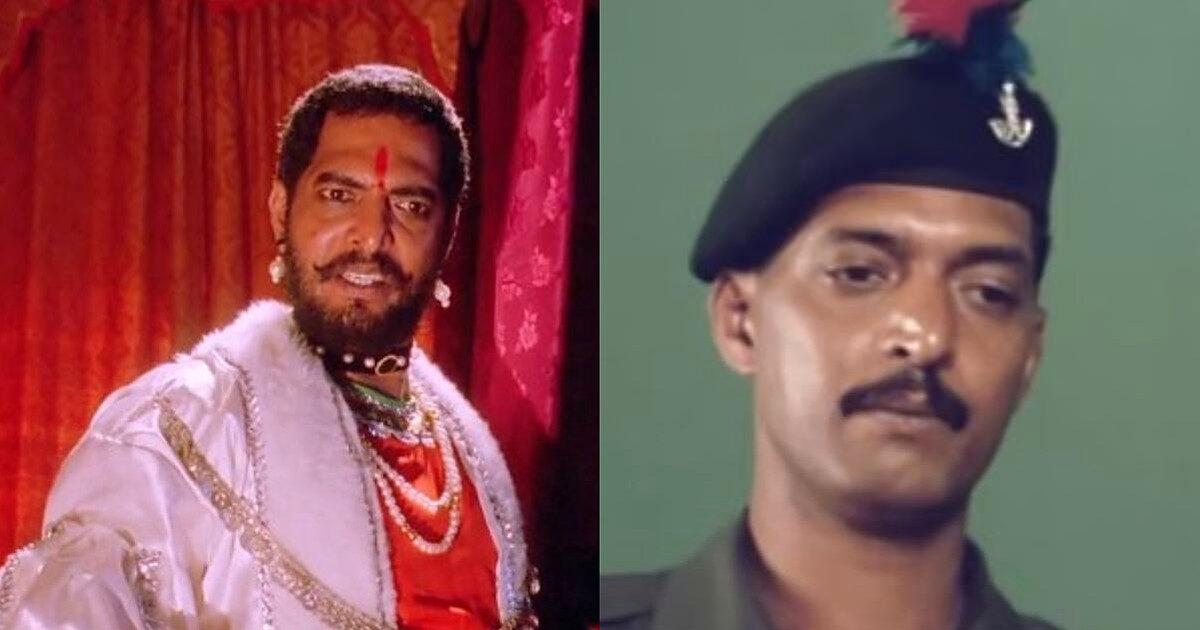
Nana Patekar could set the screen alight with a speech, but many of his most absorbing moments came when he turned the volume down. As fans look back at his career after his passing, The Hindu has curated a list of seven underrated films that show the actor beyond the cop, gangster and revolutionary parts he was best known for. It is a useful reminder that his range ran far deeper than the angry man.
Seven films that reveal his range
The titles stretch from 1988 to 1999 and take in directors such as Nabendu Ghosh, Amol Palekar, Sai Paranjpye and Gulzar. Here is the list:
- Trishagni (1988): Nana plays a young Buddhist monk in Nabendu Ghosh’s debut, exploring a slow moral decay through stillness rather than big dialogue. The film won the National Film Award for Best First Film of a Director.
- Thodasa Roomani Ho Jayen (1990): Amol Palekar casts him as a poetic conman who promises a village rain. The role is reflective and charming, a long way from the fury of Parinda.
- Prahaar (1991): The only film Nana co-wrote and directed, with Nana as Major Chavan, a strict commando trainer. It uses the character to examine vigilante justice and fault lines in the system.
- Diksha (1991): An adaptation of U.R. Ananthamurthy’s Ghatashraddha, with Nana as Koga, a man from an oppressed caste in 1930s Karnataka. The film won the National Film Award for Best Feature Film in Hindi.
- Disha (1992): Sai Paranjpye’s social drama follows a newly married farm labourer who moves to Bombay looking for work. Nana appears alongside Shabana Azmi and Om Puri and conveys immigrant struggle through silence.
- Abhay (1994): Annu Kapoor’s take on Oscar Wilde’s The Canterville Ghost, with Nana as a menacing spectral figure. The fantasy turn still carries an emotional core, and the film was named Best Children’s Film at the 42nd National Film Awards.
- Hu Tu Tu (1999): Gulzar’s last film as director before he turned fully to songwriting, with Nana as rebel poet Bhau and Tabu alongside.
Why it matters
Most fans know Nana Patekar from the storming energy of Krantiveer or the cold discipline of Ab Tak Chhappan. These seven films preserve the other register: a performer who could express turmoil with his eyes, his posture and long silences. In Trishagni, the monk’s conflict is internal. In Diksha, vulnerability is built into Koga’s body language. In Disha, the pain of migration sits quietly on his face.
The list is also a reminder of his work behind the camera. Prahaar is the rare film he wrote and directed himself. Abhay is an unusual ghost story in a career full of middle-class realism, while Hu Tu Tu uses Nana as a sutradhar guiding an overtly political street-play narrative.
How to approach these titles
Use the list as an alternative Nana Patekar double bill. Begin with Trishagni and Diksha to see him at his most restrained, then move to Thodasa Roomani Ho Jayen or Abhay for the surprises. If you want the bridge back to his intense side, Prahaar is the cleanest choice.
These films are not meant to be ranked against his blockbusters. They are evidence of an actor who could command a frame without raising his voice, and that is a legacy worth keeping close.
Source: The Hindu