
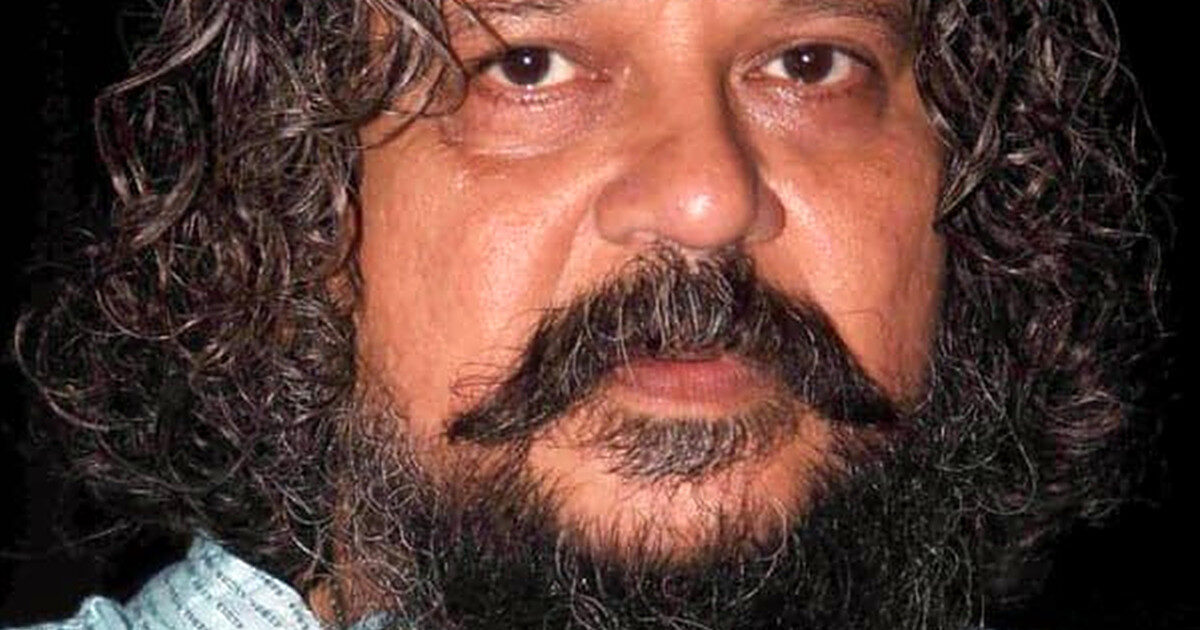
Filmmaker Amole Gupte, director of Stanley Ka Dabba, Hawaa Hawaai and Sniff, has made peace with staying outside the Hindi film industry. In an interview with PTI, he said mainstream producers are now reluctant to back the kind of stories he tells, and that filmmaking has never felt like a red carpet for him. Gupte has also acted in films such as Kaminey, Phas Gaye Re Obama and Singham Returns.
Why he is staying away
Asked why he makes fewer films, Gupte said the silence from producers is itself an answer: the fact that they are not knocking on his door tells him they are not willing to back his vision.
“I don’t fit into Bollywood, and it’s better I’m away from it,” he said.
The 64-year-old added that he sought support in the last four years and was disappointed. People wanted him to turn his idea into a “common marketable commodity”, something he says he will not do.
When one door opened
Not every door was closed. Gupte recalled that Karan Johar arranged the meeting that led Fox’s Vijay Singh to back his 2011 film Stanley Ka Dabba, which was screened at the ongoing Jagran Film Festival.
Johar even attended the music launch straight from the airport, Gupte said, adding that such people “held my hand at that time” so he could make the next film and the one after. “Otherwise, it’s difficult.”
The long road of Saina
His biographical sports drama Saina, starring Parineeti Chopra as badminton champion Saina Nehwal, is an example of the struggle. Gupte said he wanted to make the film in May 2015, and it finally released in 2021.
“I did nothing else in that period,” he said.
The gap is not just personal. Gupte sees it as part of a post-COVID reset: with audiences staying away from theatres, financiers have become more cautious about non-formula storytelling.
For Hindi cinema, that means a director with his track record is finding the middle ground harder to occupy.
What he is making now
Gupte is directing his energy to a different screen. He is working on the third part of his educational short film series on financial awareness for young Indians, supported by Bandhan Mutual Fund.
- The first two shorts, One Idiot (2012) and Return of One Idiot (2017), were released on YouTube.
- The team is considering releasing all three films on an OTT platform.
He said his earlier vox pops with people aged 20 to 22 found little understanding of savings. In the West, he noted, young people often work to cover tuition, while in India parents still fill that gap, so the films push financial independence.
Source: Hindustan Times