
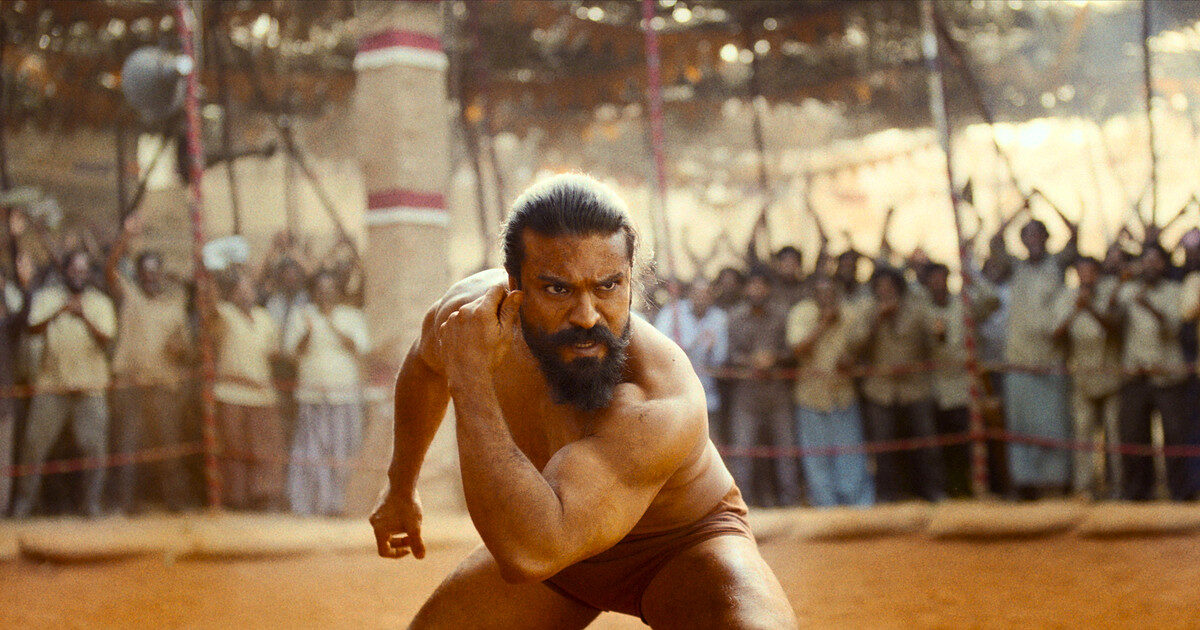
On the latest episode of Koffee With Karan Season 9, Janhvi Kapoor answered the most uncomfortable questions around Peddi. The Buchi Babu Sana directorial, headlined by Ram Charan, released in theatres on June 4, 2026. Soon after, the film drew criticism for camera shots focused on Janhvi’s body and a romantic sequence that many viewers questioned for its treatment of consent.
For months, Janhvi had been measured when the subject came up. This time, she did not hide from it. She told Karan Johar she had been apprehensive because so many people had worked hard on the film, but said it is important to take ownership of her half of “whatever that fiasco was.” She described the experience as “violating” and admitted that the “extreme objectification” was problematic.
Ownership, not blame-shifting
She was direct about what she could have done differently. Asked whether she could have been more vigilant or made a bigger scene, she replied, “A hundred percent, yes.” She added that the narrative could “propagate sexual assault” and that the negative impact on society “weighs heavily on my conscience.”
That accountability is the headline here. A lead actor rarely calls out the framing of her own film so plainly, especially when the film has a major star and a commercial director behind it.
The power gap on a big set
Janhvi also explained why speaking up is not always simple on an Indian film set. She said the default instruction is to be professional and listen to the director. In the South, she noted, there is rarely a bound script, and the scripts do not usually show where the camera angles will be. That made it harder to judge how a scene would finally look.
Even so, she said she did voice discomfort during shooting and again in post-production. Her regret is that she did not push harder. She put it in terms of privilege: she is criticised for being privileged anyway, so she might as well have leveraged it.
What changes because she spoke
- She takes ownership. Janhvi is not blaming only the director; she says she owns her share of the outcome.
- She names the harm. The words “extreme objectification” and “violating” leave little room for spin.
- She wants a different next time. Her hope is that filmmakers think twice before presenting a lead actress this way.
The line that matters most is the one about tomorrow. The Peddi debate was always bigger than one film: it is about how mainstream Indian cinema handles the male gaze and consent. A lead actor saying the quiet part out loud does not undo the film, but it can make a production think earlier. That is a small, necessary shift.
Source: Bollywood Hungama