
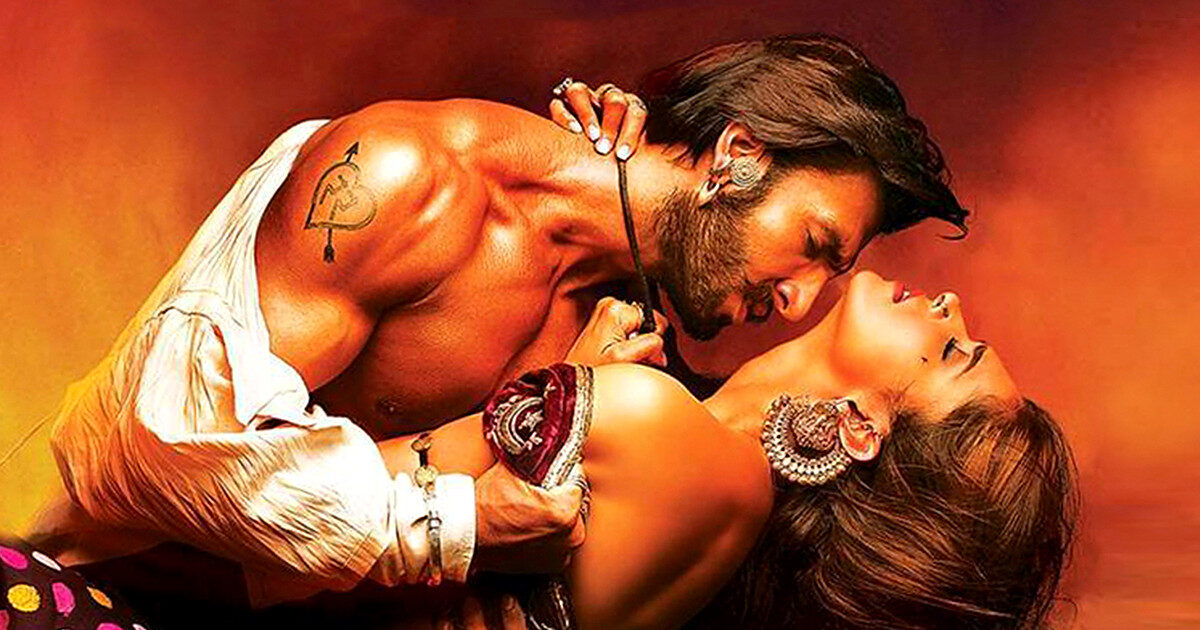
The first time I saw Nagada Sang Dhol, I forgot the plot for four minutes. That is exactly the point. In Goliyon Ki Raasleela Ram-Leela, the song is not a break from the story; it is the story wearing a ghagra and dancing.
1. The setup
The scene sits during Navratri in Ranjaar, with Ram (Ranveer Singh) inside Leela’s (Deepika Padukone) world. Their families are at each other’s throats, so every glance is a risk. The garba is the town’s stage, and the lovers cannot say what they mean, so they say it with footwork. Everything at stake is in the space between them: caste pride, family honour, and the possibility of being seen.
2. The turn
The number starts as a celebration, all dhol and swirling colour. It shifts the moment Leela stops playing the polite hostess and meets Ram beat for beat. The crowd drops away visually, the close-up tightens, and the dance becomes a private argument with a public rhythm. That beat change is the scene’s gear shift: the festival is no longer the backdrop, it is the alibi.
3. The line
People quote the title itself: “Nagada sang dhol.” It lands because it is both an announcement and an invitation. Shreya Ghoshal glides over it while Osman Mir’s folk voice gives it earth; the lyric is plain enough to chant, yet the delivery makes it feel like a dare. Written into the hook is a promise: if the nagada can meet the dhol, so can these two.
4. The performance
Deepika is the scene’s anchor. Her garba footwork is sharp but not mechanical; she smiles with her eyes and throws her arms as if the beat is beneath her skin. Ranveer matches her by holding nothing back, his energy reckless but focused. A lesser scene would have made this a competition. These two make it a conversation. Watch Leela’s hands in the quieter antara: they finish each phrase late, just enough to keep Ram waiting, and that delay is the flirtation.
5. The craft
Sanjay Leela Bhansali keeps the camera wide enough to preserve the circle, then cuts on the dhol hits so the edit feels like choreography. The low-angle shot when Leela stamps the beat makes her look like the pulse of the whole square. The sound mix pushes the live dhol and crowd claps forward, so you never forget this is a festival, not a stage. Even the costume does work: Leela’s red and orange lehnga is the warmest thing in the frame, so your eye returns to her no matter how many dancers fill the circle.
6. Why it travels
This scene survives because it is both specific and reusable. Every Navratri, fans return to it the way people return to favourite songs. The 8K restoration simply reminds us that the colours, the sweat and the chemistry were always there; they just look brighter now. Bollywood has given us plenty of festive numbers, but very few where the dance carries the whole emotional weight of the romance.
Watch the original: Sony Music India on YouTube. Shown for review and comment; the rights stay with the makers.